Banking Support Increases For Customers With Additional Needs
Written by Harry Turnbull
When I first tried to help my daughter Kate access her Child Trust Fund, I didn’t realise it would become a bureaucratic nightmare. It’s what happens when a young person with additional needs turns 18 and is regarded as being in control.
On Kate’s 18th birthday the system decided she was an autonomous adult. In reality, she was a young woman who still relied on a level of support to navigate complex processes.
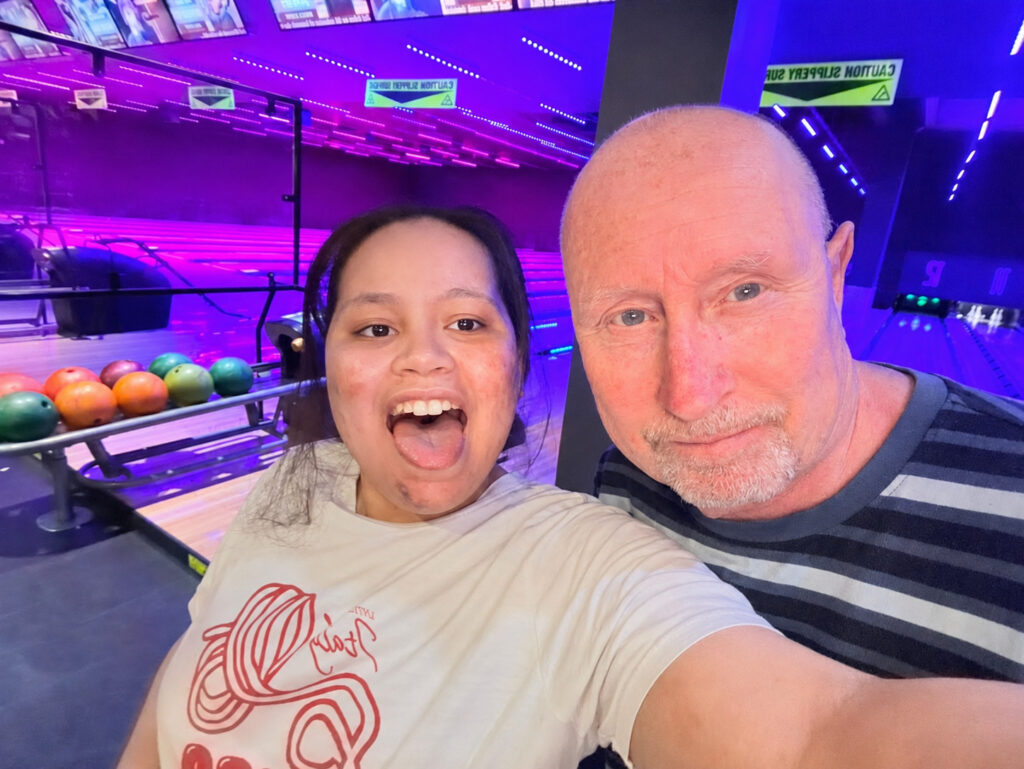
Yet banks, doctors, special needs education officials — everyone suddenly treated Kate as if she could independently manage everything herself. We got around that difficulty by a workaround – I opened a joint account.
Now I’m pleased to say the banking sector has listened to people like me – I appealed to Nationwide’s head of customer accessibility – and concerns are being addressed.
Praise for HSBC Pilot Scheme
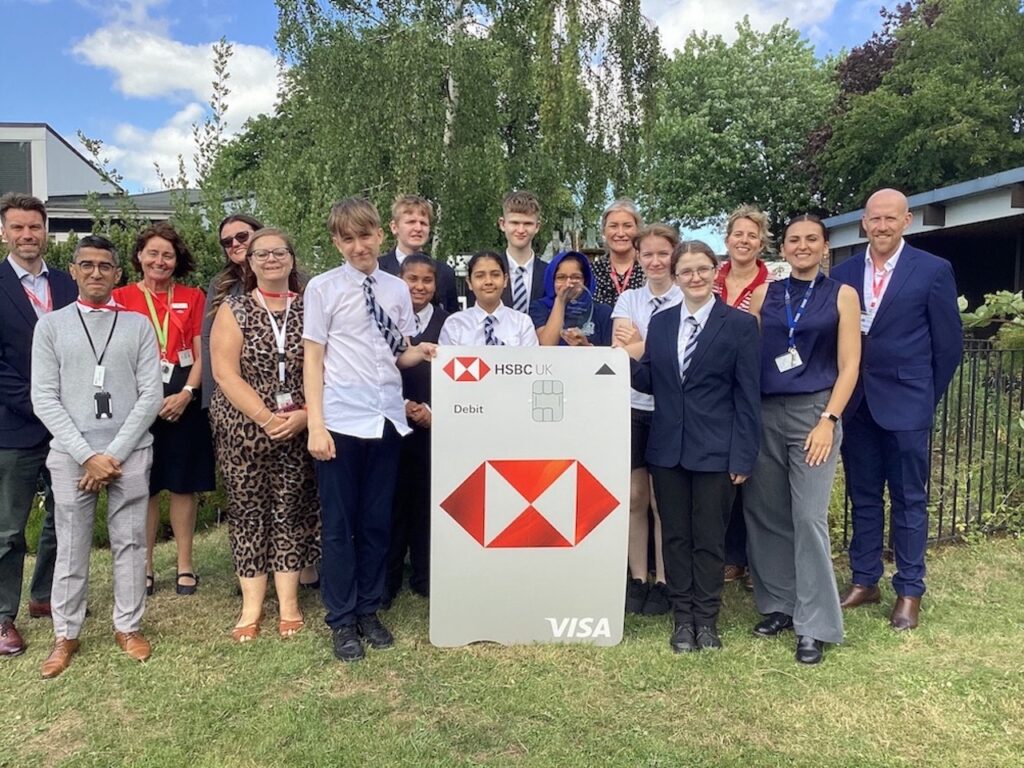
Financial accessibility is tricky enough for most people but for those with disabilities it has been a minefield – but I am pleased to report that this is now changing. At Kate’s education placement school, (Royal School for the Deaf Derby (RSDD), pupils have been taking part in a pilot scheme led by HSBC UK and the Royal National Institute for Deaf People (RNID). The programme adapts HSBC’s Smart Money lessons for British Sign Language (BSL) users, covering saving, budgeting, borrowing and fraud awareness.
Pupils recently visited HSBC’s Derby branch to meet staff, see behind‑the‑scenes operations and practise using money‑counting machines. Staff also practised their BSL skills, reflecting HSBC’s wider commitment to accessibility, including accredited BSL training for all 23,000 employees.
RSDD headteacher Paul Burrows said the programme “gives pupils practical knowledge they’ll use throughout their lives” and helps shape future financial education resources for deaf young people.”
Both initiatives aim to improve financial confidence and independence for disabled and deaf customers, addressing long‑standing barriers in accessing banking services.
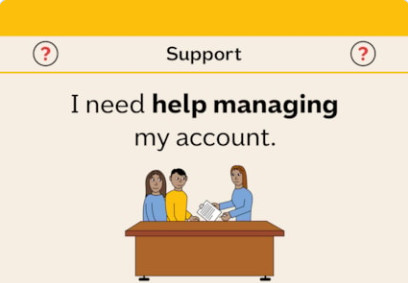
And at Nationwide where I had a meeting with Kathryn Townsend, its Speak Easy communication cards, designed to support customers who experience communication difficulties, will now be made freely available to all financial services providers. The cards allow customers to point to pictures, questions or requests during face‑to‑face banking interactions. The bank is also involved with Project Nemo, another campaign to establish equality in banking systems.
Major banks including Virgin Money, NatWest, Santander, AIB Group, Bank of Ireland and Skipton Building Society have already adopted the tool. The initiative is supported by Visa and aligns with the Government’s Financial Inclusion Strategy.
Kathryn Townsend, ‘Everyone deserves to be able to communicate confidently when they access essential services. By making Speak Easy a shared industry resource, we’re helping more organisations provide accessible support and creating a more consistent and inclusive experience for everyone.’
About the author
Harry Turnbull is an experienced writer based in the North of England who acts as a guest correspondent for many of our news sites. Harry has held a variety of reporting and editing roles in the media and also also writes a reviews column for the UK’s biggest archive of BBC radio dramas.
https://www.clippings.me/users/hotoffthepress
—