Call for Donors as 4,000 People Wait in Darkness for Sight-Saving Transplants
Written by Harry Turnbull
More than 4,000 people in England are living with sight loss that could be reversed by a cornea transplant — yet a shortage of donors is leaving hundreds waiting over a year for the gift of sight, NHS Blood and Transplant has warned.
New figures released for World Sight Day (9 October) show cornea transplants have reached a ten-year high in 2024/25, but donations have fallen by 3%. The NHS now needs 70 eye donors every week to keep up with demand.
Unlike organs such as kidneys, corneas can be stored for 28 days – yet only 4,976 people donated theirs last year, leaving thousands still unable to see properly.
To tackle the shortfall, NHS Blood and Transplant has teamed up with Specsavers and Hospice UK, taking the appeal for donors onto the high street and into end-of-life care settings, urging families to talk about eye donation.
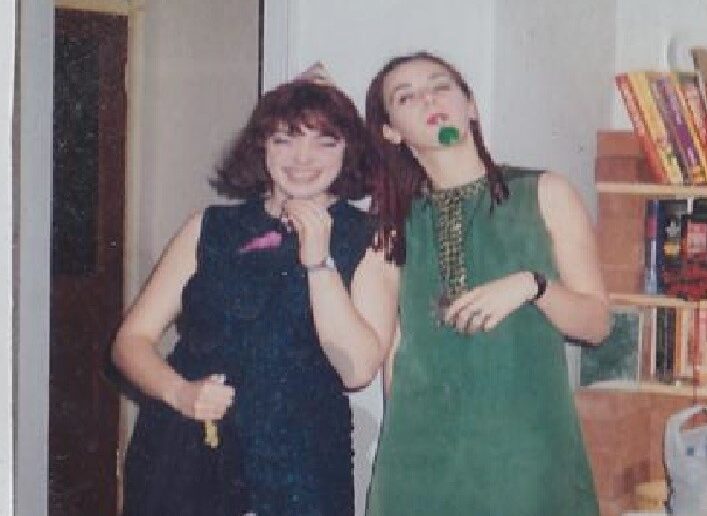
One person who knows the life-changing impact is Juliette Cosgrove, from Skipton. Her sister Louise, a 27-year-old nurse from Huddersfield, died in a car accident in 1996. She couldn’t donate her organs – but her corneas were used to give the gift of sight to others.
“It was incredibly hard, but I knew Louise would have wanted this,” said Juliette, now Chief Nursing Officer at Northern Care Alliance.
“Nearly thirty years on, her donation is one of the few comforts we have. She’s still making a difference.”
While 82% of people on the NHS Organ Donor Register say they are willing to donate, more than 3.3 million specifically opt out of donating their eyes – often due to uncertainty or discomfort.
Kyle Bennett, Assistant Director for Tissue and Eye Services at NHSBT, said:
“By agreeing to donate your corneas, you can transform someone’s life – someone who hasn’t seen their family properly in years. Please consider leaving the gift of sight.”
—
pic from NHSBT: Juliette and Louise Cosgrove
About the author
Harry Turnbull is an experienced journalist based in the north who has held a variety of reporting and editing roles in the media.He also writes a reviews column for the UK’s biggest archive of BBC radio dramas.