£17bn Liverpool–Manchester Railway Could Signal North’s Next Big Boom
Written by Harry Turnbull
Two centuries after the world’s first passenger railway ran from Liverpool to Manchester — and claimed the life of a Cabinet minister on its maiden journey — a bold new plan aims to rebuild that historic link and supercharge the North West economy.
A £17bn scheme to create a high-speed line between the two cities could kickstart a £90bn economic transformation, slash journey times, and support 22,000 jobs during construction of 500,000 homes.
Backed by regional mayors Steve Rotheram and Andy Burnham, alongside former Rail Minister Huw Merriman, the new Liverpool–Manchester Railway is being pitched as more than just transport — it’s the backbone of a bold plan to reshape the region with new homes, thriving business hubs, and faster, greener travel.
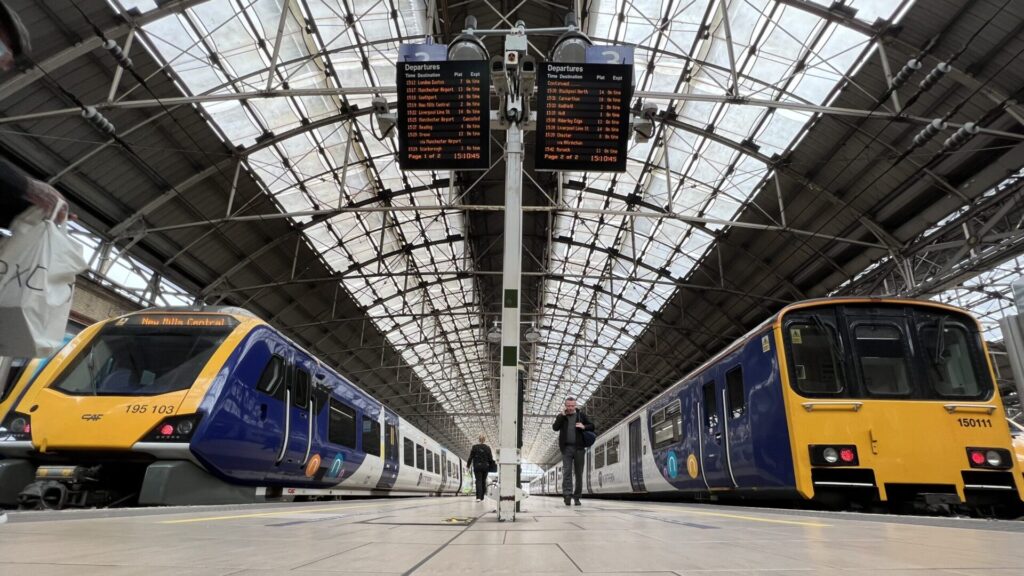
The proposed line — shorter than London’s Elizabeth Line but expected to punch well above its weight — would run from Liverpool Lime Street to Manchester Piccadilly, with stops at a new Liverpool Gateway station, Warrington Bank Quay, and Manchester Airport.
It’s part of a bigger vision known as the Northern Arc — a Mersey-to-Pennines growth zone that could double the size of the North West economy by 2040, according to analysis by Metro Dynamics.
Unlike the doomed HS2 project, which was axed north of Birmingham, this scheme promises a new model: locally led, privately backed, and designed around communities — not Whitehall.
Andy Burnham, Mayor of Greater Manchester, said:
“Just over 200 years ago, the world’s first passenger railway was built to connect Liverpool and Manchester, transforming the nation’s fortunes for centuries. But Victorian infrastructure is now acting as a brake on both on growth.
“A new Liverpool-Manchester Railway would be shorter than both London’s Elizabeth line and East West Rail connecting Oxford and Cambridge, but would punch well above its weight in both growing the UK’s economy and better connecting our high-growth sectors.
“For too long, such major infrastructure projects in the UK have been delivered in a top-down way. We want to work hand-in-hand with government to plan and deliver this railway from the ground up, enabling us to maintain our growth momentum for Greater Manchester. A new, locally-led delivery model will mean we can build our pipeline of regeneration, new homes, skilled jobs and green growth around the rail line with real certainty.”
Death on the Tracks: Railway’s First Casualty
The world’s first passenger railway, linking Liverpool and Manchester, was meant to showcase the promise of the Industrial Age. But its grand opening on 15 September 1830 was marred by tragedy.
William Huskisson, a respected MP and former Cabinet minister, was among the dignitaries attending the opening ceremony.
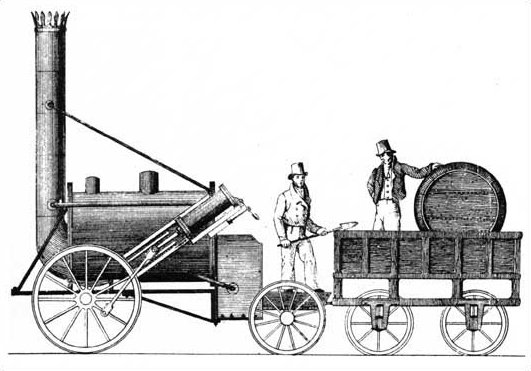
At a stop near Parkside, he stepped down from his carriage to greet the Duke of Wellington, unaware that George Stephenson’s Rocket — the engineering marvel of its day — was bearing down on the adjacent track.
Huskisson was struck and fatally injured, dying later that day. His death was the first recorded railway passenger fatality, sending shockwaves through Victorian Britain and casting an early shadow over the dawn of the railway age.
Two centuries on, as plans are laid for a new Manchester–Liverpool rail link, the incident is a stark reminder: transport revolutions can come at a cost.
About the author
Harry Turnbull is an experienced journalist based in the north who has held a variety of reporting and editing roles in the media.He also writes a reviews column for the UK’s biggest archive of BBC radio dramas.
Image credits:
image of Piccadilly Station: Network Rail
image of George Stephens’ Rocket – Public Domain, Link