Does Invisalign Hurt?
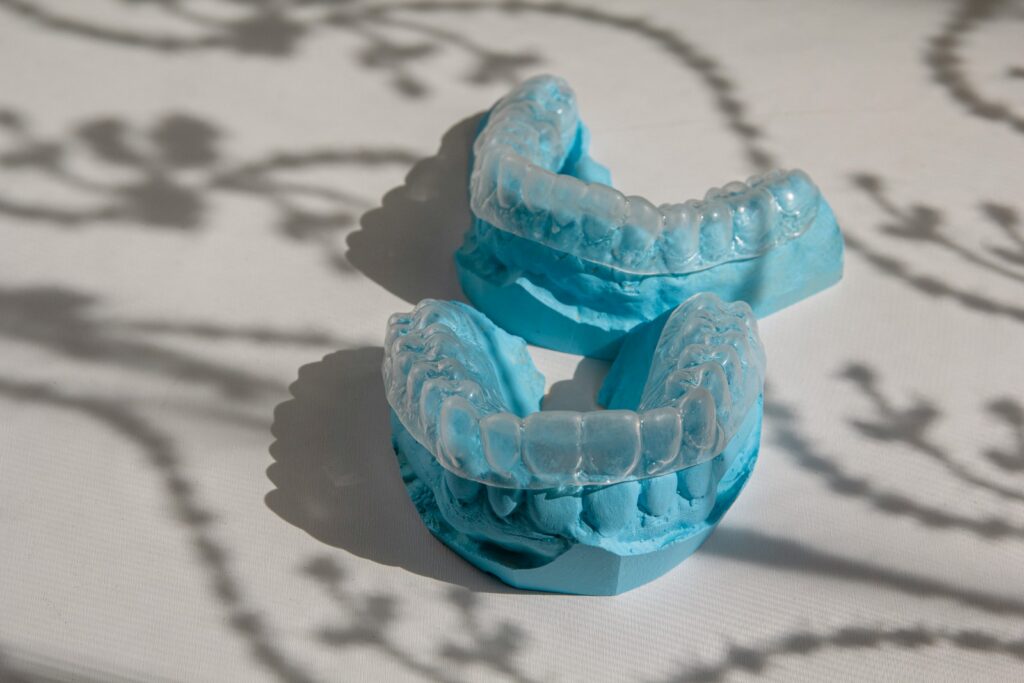
The popularity of clear aligners over traditional metal braces stems from their discreet appearance and convenience. Yet one question frequently arises for those considering this method: does Invisalign hurt? While some patients experience discomfort, most find it manageable compared to older orthodontic solutions. Understanding why any soreness might occur and how to address it can help prospective users determine whether Invisalign is right for them.
According to the leading London cosmetic dentist Dr. Sahil Patel of Marylebone Smile Clinic, there is a degree of tightness or mild pressure with each new set of aligners, but significant pain is uncommon. He adds that Invisalign aligners allow for small, controlled movements that gradually reposition teeth without the more pronounced aches some patients report with fixed braces. This approach minimises excessive force and reduces the likelihood of severe pain.
Individuals consulting a cosmetic dentist London provider often wonder if their daily lives will be disrupted by an aligner treatment. In most cases, patients can continue normal activities, speech, and mealtimes with few changes, although some short-term adjustments may be required. Understanding the foundation of Invisalign’s technology and the reasons people often fear pain can remove unnecessary anxiety and inform a calmer, more confident approach to treatment.
The Basics of Invisalign
A set of plastic trays that are specially made to fit over the teeth and gradually move them into the right alignment are the foundation of clear aligners like Invisalign. Every tray applies pressure at particular locations, causing consistent tooth movement. As directed by their dentist, patients usually change to a new tray every one to two weeks. Subtle changes accumulate over time to produce a discernible shift in tooth alignment.
Invisalign’s material, a specialised thermoplastic, is flexible enough to be comfortable but rigid enough to maintain consistent force on the teeth. The aligners are designed using digital scans or impressions of the patient’s mouth, ensuring a close, precise fit for each stage of treatment. These digital scans allow the dentist to predict and plan how each successive tray will move the teeth, making the overall process both efficient and predictable.
Because the aligners are removable, patients do not have to modify their diet as significantly as they would with fixed braces. Foods such as crusty bread or crunchy vegetables that can be challenging with wires and brackets are often easier to manage. Patients also remove their aligners for brushing and flossing, helping maintain standard oral hygiene habits without needing special tools for cleaning around metal components.
For many people, one of the biggest appeals of Invisalign is its near-invisible appearance. Clear trays blend with the natural colour of the teeth, reducing any self-consciousness about undergoing orthodontic treatment. This cosmetic advantage is a strong selling point for teenagers and adults alike, who may be reluctant to wear the brackets and wires of conventional braces for a long period. Still, the question of pain remains at the forefront for many prospective patients, prompting a closer look at how aligners work and the possible side effects.
How Aligners Work
Invisalign works by using gentle yet continuous pressure to shift teeth into better positions. When a patient first inserts a new tray, the aligner will be slightly off from the existing tooth positions, indicating where movement is needed. The plastic’s rigidity directs teeth toward the aligner’s intended form. Over several days, the teeth gradually move to align with the tray, reducing the initial tightness. By the time the next tray is due, the teeth have adapted, and the process continues.
Because each aligner is tailor-made based on 3D modelling of the individual’s teeth, the transitions from one tray to the next are finely tuned. Traditional braces achieve alignment through adjustments every four to six weeks, but clear aligners break this progression into smaller intervals. As a result, many patients find each stage of movement more manageable in terms of discomfort. There is less abrupt force, and the micro-movements can be gentler on the gum tissues and supporting structures.
The ability to remove the trays for meals and oral care sets Invisalign apart from fixed braces. This decreases the risk of trapped food debris and makes daily dental hygiene easier. However, aligners must be worn for at least 20 to 22 hours a day to maximise their effectiveness. Removing them too frequently can slow treatment progress, requiring more time in aligners overall. Compliance plays an important role: the more consistently trays are worn, the less sudden any tooth movement will feel, which can help mitigate discomfort.
While aligners can cause temporary soreness, many users describe the sensation as more of a mild tightness or pressure rather than pain. This feeling often diminishes over the first few days of wearing a new tray. For those sensitive to discomfort, it may help to switch to a new tray in the evening, giving the mouth time to adjust overnight while sleeping. Still, the experience varies by individual, and it is worth exploring why certain patients worry more about pain than others.
Why Patients Worry About Pain
Orthodontic treatment of any kind can stir concerns about physical discomfort. Many people are familiar with stories of wires poking the inside of the mouth or the pressure of monthly brace adjustments, which can lead to a sore jaw or trouble chewing. The thought of undergoing such a process can deter patients from seeking the alignment they desire. Some individuals also have a low threshold for pain or a history of tooth sensitivity, making them hesitant to introduce new forces in the mouth.
Another factor is the psychological aspect. Orthodontic work is often associated with adolescence, and many adults remember peers complaining about painful experiences. When presented with the possibility of wearing aligners, memories of these complaints can resurface. The unknown also plays a part: hearing about a friend’s negative experience with braces does not guarantee the same outcome with Invisalign. Not everyone realises that different orthodontic methods vary in intensity, and personal tolerance is subjective.
In some cases, dental fear includes worry about pain combined with a more general anxiety around instruments, treatments, or clinics. This is a common concern, and reassurance from a qualified dentist can alleviate apprehension. During consultation, dentists explain the Invisalign procedure and the reasons why the discomfort is typically mild. Being informed and understanding that minor tightness is not necessarily alarming can help prevent nerves from escalating. Clear expectations and open communication often improve the patient’s overall attitude.
While nervousness about pain is valid, proper guidance from dental professionals goes a long way in showing that Invisalign’s design aims to reduce many of the pitfalls of traditional braces. The aligners have no metal wires or brackets that could irritate the gums or cheeks. Moreover, the precise software used to plan tooth movements ensures careful increments of force, limiting unnecessary strain. Comparing Invisalign to more established braces may further clarify why the clear aligner approach has become a leading choice in modern orthodontics.
Comparing Invisalign to Traditional Braces
Traditional braces remain a reliable solution for complex cases, particularly those involving severe malocclusions or significant jaw irregularities. Metal brackets attached to the teeth guide movement, connected by wires that require tightening at appointments. While the process is well-established, these adjustments can cause sharper, more immediate sensations of pressure as the wires are tightened. Brackets can also irritate the inside of the cheeks and lips, leading to small sores or friction-based discomfort.
Invisalign eliminates the need for permanent attachments on each tooth, apart from possible minor attachments that help aligner grip. The lack of metal hardware removes some common sources of pain, such as a stray wire digging into gum tissue. Aligners are made of smooth plastic, less likely to scrape or poke the mouth’s soft tissues. This shift in design can result in fewer tender spots, especially at the start of treatment.
Fixed braces are noticeable when smiling or speaking, and some individuals find that affects their confidence. The clear aligners of Invisalign are far more subtle, making them appealing for those who prefer an understated approach. Teenagers and professionals alike may lean toward a method that does not draw attention to orthodontic work, especially in social or professional settings where they prefer to look their best without metal fixtures.
It is important to note that even though Invisalign offers aesthetic and comfort advantages, not all orthodontic cases are equally suitable. Severe alignment issues might require comprehensive interventions, such as braces or jaw surgery. However, for many mild to moderate alignment concerns, Invisalign can be a viable, often more comfortable choice. Considering whether or not the system will hurt significantly, patients should understand the typical sources of discomfort so they can decide if Invisalign’s advantages outweigh its drawbacks.
Identifying Typical Sources of Discomfort
While clear aligners are generally well-received, some soreness or irritation may still arise. One of the most common culprits is the initial insertion of a new tray. Teeth may feel pressured as they adjust to the tighter fit, causing an aching sensation. The gums can also feel tender if the aligners press in unfamiliar areas, though this usually lessens after the first few days. Some people compare the feeling to having exercised a muscle that now feels slightly strained.
The edges of the aligners can occasionally rub against sensitive spots on the gums or the tongue. Though these trays are custom-designed, minor variations in manufacturing might lead to small, rough edges. Dentists often recommend using an emery board or requesting a quick adjustment in the clinic to smooth out any parts causing irritation. Once corrected, the aligner should fit more comfortably.
Switching aligners too frequently or not wearing them for the recommended number of hours can also exacerbate discomfort. If trays are worn inconsistently, the teeth may revert slightly, and the next tray could fit less accurately, leading to more pronounced pressure when reinserted. In this sense, regular compliance helps maintain a steady rate of tooth movement, reducing sudden spikes in strain. Good wear habits ensure that each transition is as seamless as possible.
Because Invisalign moves teeth in smaller increments, many people find the pain less intense than they expected. However, tolerance varies from person to person. For individuals who are highly sensitive, even gentle movement can trigger noticeable discomfort. In these cases, working closely with a dentist, and possibly adding extra days before switching trays, can help reduce strain. There are also easy strategies to employ at home to deal with soreness or tenderness, which can maintain morale throughout treatment.
Minimising Discomfort at Home
Simple steps can lessen the sense of pressure or aching that sometimes comes with aligner wear. One helpful approach is to insert the new tray before bedtime. When a person sleeps during the initial adjustment period, the most intense portion of the pressure may pass unnoticed. By morning, the aligners usually feel more natural, especially if the patient sleeps soundly and allows the teeth to settle into position without interruption.
Another useful option is to use over-the-counter pain relief if needed, such as paracetamol, for the first day or two of wearing a new aligner. This can help manage any short-term aching. Dentists typically recommend using painkillers sparingly and only if required, as most people adapt within a few days. Rinsing with warm saltwater can also soothe irritated gums if the aligner edges create mild discomfort.
Some patients also find that gently massaging their gums with a clean finger encourages blood flow, reducing stiffness around the teeth. Consuming softer foods during the first 24 hours with a fresh tray can lessen the pressure on newly moving teeth. Chewing firm items might aggravate soreness, so giving the mouth a brief break from hard-to-chew foods can be beneficial. Sipping cool water can alleviate minor inflammation or swelling, although extremes of temperature should be avoided if they irritate the teeth.
Communication with the dental professional is key if the discomfort does not resolve as expected. A check-up might reveal a poorly fitting tray, or the dentist may suggest a modified treatment schedule with longer intervals between new sets. Promptly addressing ongoing issues ensures a smoother experience and helps patients remain motivated. The next section covers the significance of follow-up appointments in sustaining a positive course of treatment.
The Importance of Follow-Up Appointments
Invisalign treatment is overseen by a qualified dentist who monitors progress and ensures teeth move according to plan. These follow-up appointments, typically every four to six weeks, involve checking how well the aligners fit and confirming tooth positions align with the projected outcomes. The dentist can spot any irregularities early, such as areas where the aligners may not be tracking properly. Adjustments to the treatment plan can then be made, avoiding more significant problems later.
During these appointments, patients should voice concerns about discomfort or if they notice any unusual pain. Sometimes the dentist will recommend small refinements, such as filing the aligner edges or providing a longer transition period between trays. In other instances, the dentist may introduce temporary attachments—small tooth-coloured bumps affixed to certain teeth to provide more leverage for the aligner. These attachments can improve efficiency but might require a short acclimation period.
Consistent attendance at these check-ups is vital for tracking progress and preventing setbacks. Ignoring unusual pain or missing appointments can lead to misalignment and prolong treatment. The dentist’s expertise is essential in ensuring the approach remains gentle yet effective, keeping any discomfort at a manageable level. An open line of communication fosters a more comfortable journey. Regular updates also give reassurance that the effort invested in wearing aligners each day is paying off, contributing to healthier, straighter teeth.
While check-ups focus on the mechanics of tooth movement, they also give the dentist and patient the opportunity to discuss oral health in general. Aligners can influence daily habits, from brushing frequency to the types of foods chosen. Ongoing oversight helps maintain or improve overall oral health and reduce the risk of complications. This leads to the next critical aspect of successful Invisalign treatment: proper oral care routines that keep teeth and gums in good shape.
Maintaining Proper Oral Care
With Invisalign, excellent oral hygiene becomes easier than with braces, but diligence remains necessary. Removing the trays for meals allows better cleaning of the teeth than trying to brush around wires, yet forgetting to brush after eating and then reinserting the aligners can trap food particles against the tooth surface. This can lead to plaque buildup and increase the risk of cavities. Consistently brushing and flossing before replacing the aligners is a central part of Invisalign success.
Frequent aligner cleaning is equally important. Even though they are replaced every couple of weeks, aligners can accumulate saliva deposits and bacteria. Gently washing them with lukewarm water and mild, unscented soap can help avoid unpleasant odours and keep trays clear. Abrasive toothpaste or hot water should be avoided as these can scratch or warp the plastic. Some patients prefer specialised cleaning solutions or crystals recommended by their dentist, though routine rinsing with water can still be effective.
A healthy diet further supports tooth health during Invisalign treatment. Sugary drinks and snacks can fuel bacterial growth. While these are never ideal for oral health, consuming them right before reinserting the aligners is particularly problematic, as the sugar may remain on the enamel. Incorporating nutrient-dense foods, rich in vitamins and minerals, helps sustain strong teeth and gums. Regular water intake can also keep the mouth hydrated and rinse away stray particles.
Attentive care reduces the chance of gum inflammation or tooth decay, issues that might complicate treatment and create discomfort. Aligners themselves do not directly cause gum disease, but poor hygiene practices can lead to infection or soreness. Combining consistent at-home routines with professional check-ups forms a solid defence against common oral health pitfalls. However, as with any dental treatment, it is wise to remain aware of potential complications and side effects, even if they are rare.
Potential Risks & Side Effects
Though most patients complete Invisalign treatment without major issues, there are a few risks or side effects to keep in mind. Mild discomfort, as discussed, is the most common. Occasionally, the plastic aligners can cause allergic reactions if an individual is sensitive to the materials. This is quite rare, and most reputable manufacturers test for biocompatibility, but those with known allergies should consult their dentist before starting.
Dry mouth can sometimes occur because aligners cover the teeth, altering the flow of saliva. Staying hydrated throughout the day is a good strategy to avoid dryness or bad breath. In certain cases, slight lisping may happen when first wearing aligners, usually subsiding as the tongue adapts. Communication can be mildly affected, but most people find it improves within a few days or weeks.
If aligners are not worn as directed or if too many aligners are skipped, complications can arise. The teeth may not move in the intended way, leading to an extended treatment period or incomplete results. Patients must maintain strong discipline, wearing trays close to the recommended 22 hours per day. Irregular wear can not only hinder progress but also contribute to more pronounced aches when reintroducing trays after extended gaps.
For individuals with complex bite problems or major overcrowding, Invisalign alone may not fully address the situation. Extra treatments, such as tooth extractions, attachments, or refinements, might be necessary. While these procedures are not typically painful, they can add steps to the overall timeline. Understanding the potential for additional measures ensures patients set realistic expectations, thus reducing frustration or concerns about unforeseen discomfort. When it comes to final thoughts, the question of whether Invisalign hurts depends on several factors, but the evidence suggests that while mild soreness is common, severe pain is rare.
Final Thoughts
Invisalign has revolutionised orthodontic treatment by offering a comfortable, nearly invisible alternative to metal braces. The design of the aligners spreads out tooth movements in small increments, lowering the intensity of discomfort for most patients. Nevertheless, some degree of tenderness is natural, particularly when switching to a new tray. This pressure is usually short-lived, reflecting the gentle force needed to shift teeth into their ideal positions.
Many individuals find that any minor aches they experience are a reasonable trade-off for the benefits of clear, removable aligners. The ability to maintain a normal diet and thorough oral hygiene routines, combined with a more discreet appearance, appeals to a broad audience. For those worried about pain, talking with a dental professional and understanding the science behind Invisalign can alleviate many fears. Transparent communication, consistent wear, and proper at-home care are integral to a positive outcome.
In London, where dental care options are vast, finding a reputable cosmetic dentist London practice can help tailor an Invisalign plan to specific needs. Dentists with extensive experience in clear aligners can anticipate potential obstacles and offer suggestions to manage any soreness effectively. Regular check-ups and open dialogue ensure the treatment proceeds smoothly, keeping the experience as pain-free as possible.
In the end, Invisalign’s approach to orthodontic care emphasises gradual, comfortable progress. While a degree of pressure is unavoidable when guiding teeth to new positions, the consensus among many users is that the experience is far from painful, especially when compared to metal braces. With knowledge, planning, and professional support, prospective patients are often pleasantly surprised by how straightforward and bearable the process can be. For those seeking a transformed smile without the apprehension traditionally linked to orthodontics, Invisalign stands out as a modern, patient-friendly solution.
Image Source: Unsplash