The North is still Britain’s best place to rent – so why are so many people struggling to find a home?
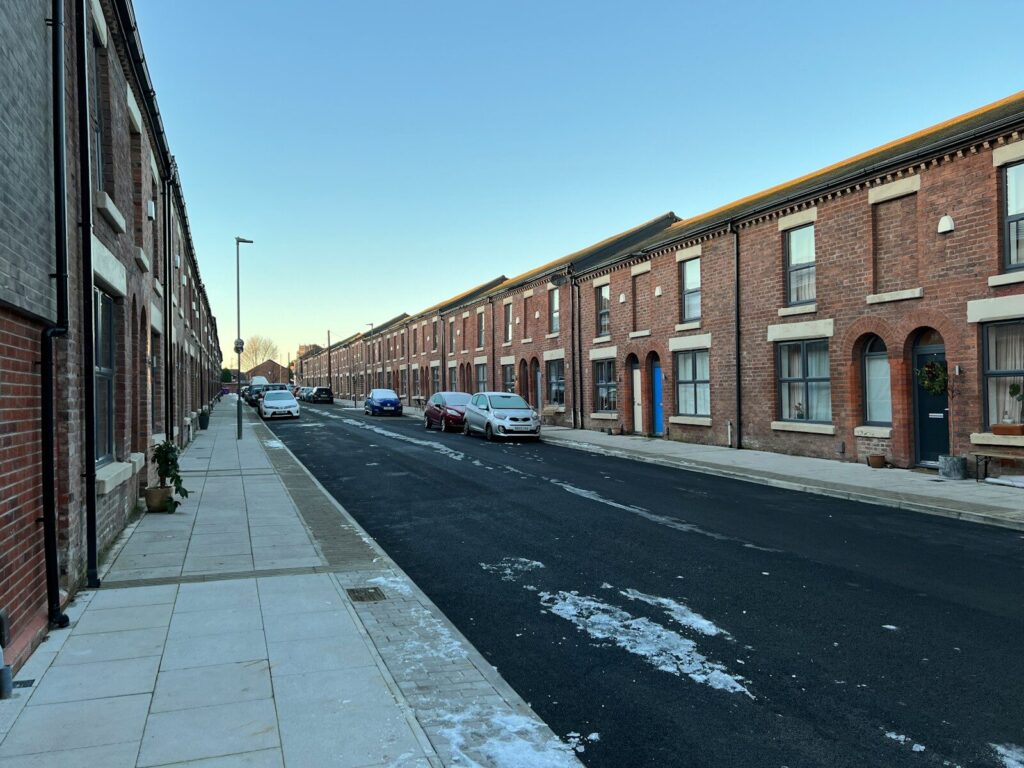
Renting a home in the North still costs hundreds of pounds less each month than in London. But ask anyone who’s searched for a flat recently, and they’ll probably tell you the same thing: finding one is becoming the hard part.
For years, the North has enjoyed a reputation as the affordable side of England.
Whether it’s Newcastle, Liverpool, Leeds or Manchester, renters have been able to stretch their money further than friends and family living in the capital. Even today, that remains true. The average rent in the North East is just £781 a month – the lowest in England – while the North West averages £1,096. In London, the average tenant is paying £2,302 every month.
On paper, it’s a huge advantage. But anyone who’s spent time scrolling Rightmove recently knows the numbers only tell half the story.
Properties disappear almost as quickly as they’re listed. Viewings fill up within hours. And for many tenants, the biggest hurdle isn’t the rent itself, it’s convincing a landlord they’ll make the ideal tenant.
If renting is cheaper here, why does it feel harder than ever?
That’s because the North’s affordability has made it one of the country’s hottest rental markets.
More people are staying in rented accommodation for longer. Others are relocating from more expensive parts of England in search of better value. At the same time, the number of homes available simply hasn’t kept pace.
The result? Competition.
In fact, rents in the North East are now rising faster than anywhere else in England, climbing 6.3% in the year to June 2026. Zoom out over the past few years and rents across northern England have increased by almost 48%, as regional prices continue catching up with the rest of the country.
That’s great news if you’re a landlord. If you’re searching for somewhere to live, it’s another story altogether.
Has the North stopped being the affordable alternative?
Not even close. The average renter in the North East spends around 28.8% of their income on rent, while those in the North West spend roughly 34.5%.
In London, renters hand over more than 57% of their income just to keep a roof over their heads.
Those figures explain why so many people still look north when deciding where to build a career, start a family or simply make their wages go a bit further.
But affordability doesn’t matter much if you can’t actually secure the property. Increasingly, that’s becoming the real challenge.
Why are more renters being asked for a guarantor?
Landing a tenancy today often feels more like applying for a job than renting somewhere to live.
Landlords have more applicants to choose from, which means affordability checks are becoming stricter and financial security matters more than ever.
Around one in five renters in the North West now need a guarantor to secure a tenancy, reflecting a trend that’s being seen across England.
It’s not always because someone can’t afford the rent. Many applicants earn enough to comfortably cover their monthly payments but don’t quite meet the income multiples landlords use when assessing applications. Others are self-employed, recently moved jobs, or have relocated to the UK without family who can act as a guarantor.
The recent introduction of the Renters’ Rights Act has also changed the picture.
In the past, some tenants who couldn’t pass affordability checks offered six or even twelve months’ rent upfront to reassure landlords. With those large upfront payments now heavily restricted, guarantors are becoming an increasingly common way for landlords to reduce financial risk instead.
Are renters having to jump through more hoops than before?
For many, absolutely. Finding a home isn’t simply about spotting one you like anymore.
It’s being quick enough to book the viewing. Having your paperwork ready. Passing affordability checks. Producing references. And, increasingly, having a guarantor lined up before you’ve even viewed the property.
That pressure is being felt right across the North, particularly in cities where demand continues to outstrip supply.
Marco Laurence, Founder at professional rent guarantor service Rentmigo, believes the rental market has changed dramatically over the past few years.
“People still think of the North as the affordable part of England, and compared to London it absolutely is. But affordability doesn’t necessarily make renting easy anymore.
“We’re speaking to more renters who have stable jobs, good incomes and no issues paying their rent, but they’re losing out because competition is so fierce or they don’t have someone who can act as a guarantor.
“For a lot of people, especially young professionals, graduates and those moving for work, the challenge isn’t paying the rent each month. It’s getting through the front door in the first place.”
What happens next in the North?
The North isn’t losing its reputation as one of Britain’s best-value places to rent anytime soon.
Compared with much of the country, it still offers remarkable value for money.
But as rents continue to climb, more people compete for the same homes and landlords become increasingly selective, the definition of an “affordable” rental market is beginning to change.
The monthly cost may still be lower than almost anywhere else in England. Actually securing the keys, however, has rarely felt more competitive.