Calls For River Mersey Cash Cow Probe
Written by Harry Turnbull
Reform MP Sarah Pochin is demanding to know what’s happening to millions of pounds of spare cash being generated by toll bridges over the Mersey.
The Runcorn and Helsby member has discovered that last year £8m from a government grant for the project went unused. That makes a total of £67m since charging motorists began in 2017, yet the tolls were bumped up 20% in April.
Ms Pochin wants this flow of unused cash to be used to extend local discount schemes, saying “Small transport businesses in Runcorn—including taxi firms, tradespeople and community transport providers—face the bridge toll as an unavoidable tax on doing business.
“It holds back growth, makes it harder to hire staff and unfairly penalises those providing vital services we all rely on.”
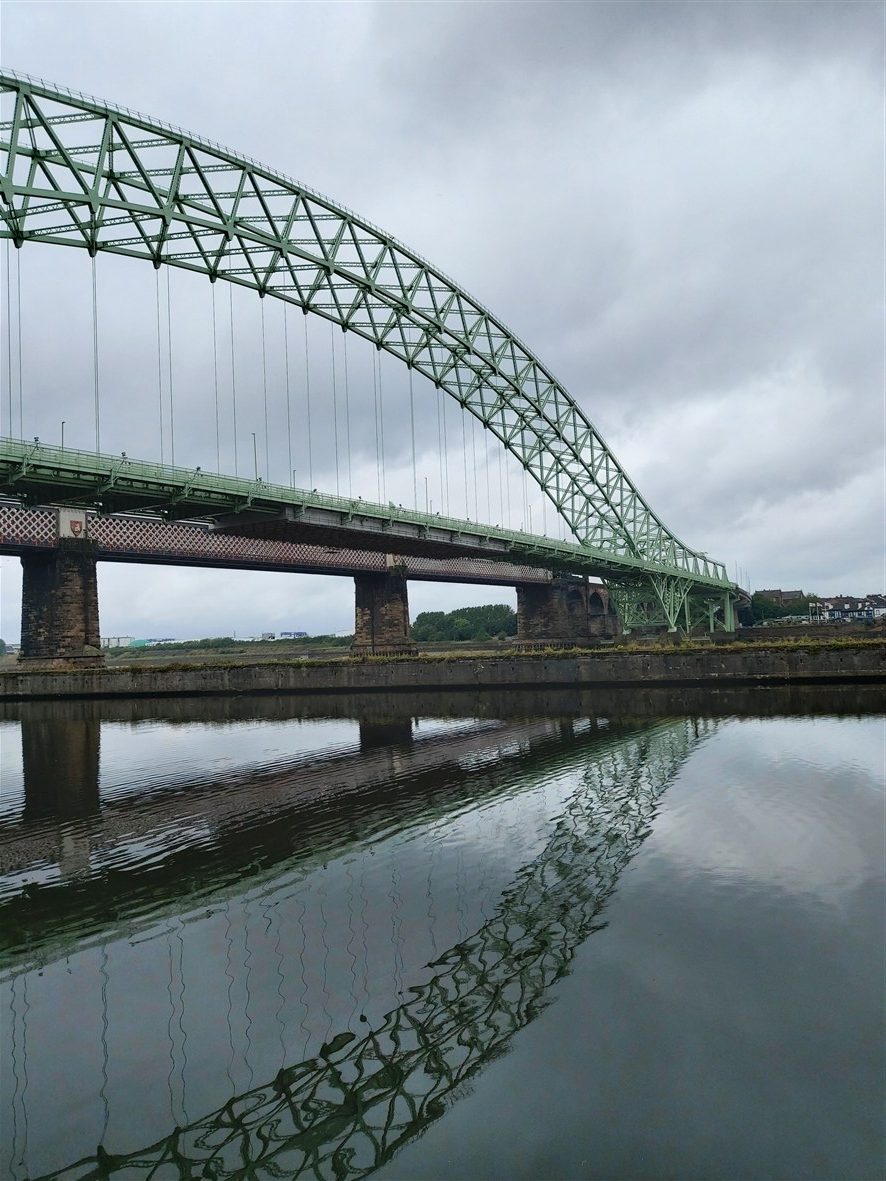
She has called on transport ministers Halton Council, which runs the Mersey Gateway and Silver Jubilee bridges, to look into the matter.
Halton residents can take advantage of an annual pass costing £12 – as can all the councillors who decided to make drivers pay £2.40 per crossing from April. However businesses can only buy into a £110 a month scheme and residents living over the border don’t have access to discounts.
New figures also show traffic crossings broke all records with 6.95m journeys made between July and September.
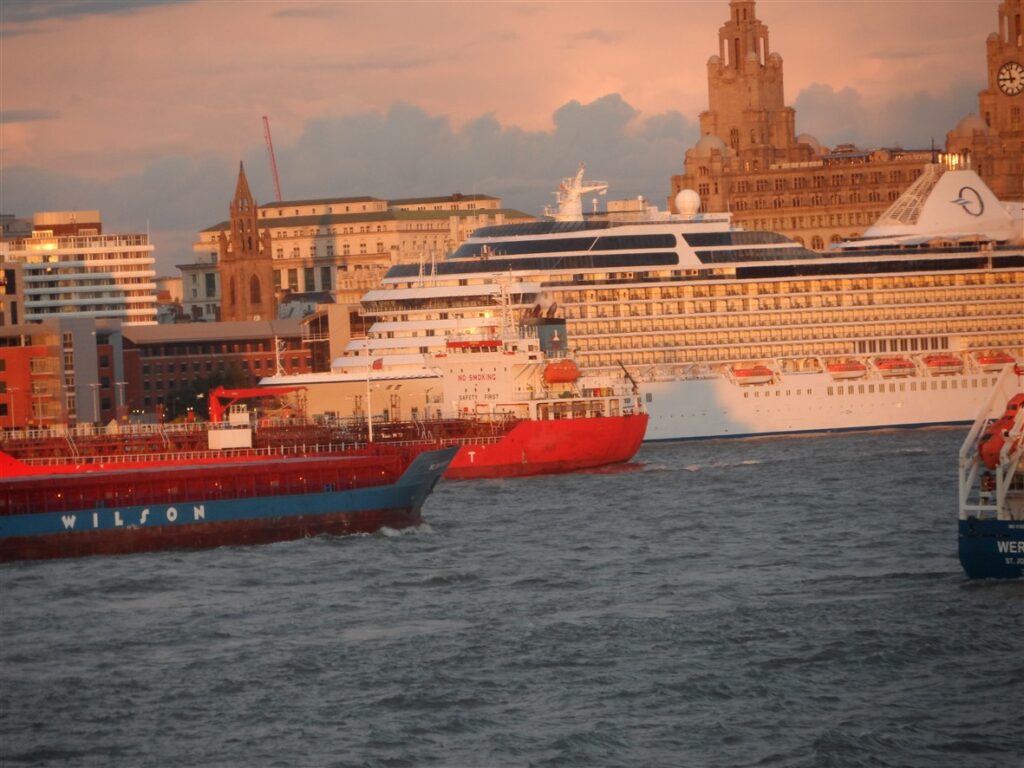
No wonder the River Mersey has been regarded as a cash cow since monks first rafted passengers across a thousand years ago. But “milking it” has been taken from a medieval to industrial scale.
Yes, the Mersey is the gift that keeps on giving—or rather, taking. Of the spare cash washing around and going unused, 85% is returned to the government and 15% syphoned off to Halton Council itself.
John McGoldrick, who campaigns for all tunnel and bridge tolls to be removed, cynically summed it up: “There have been large surpluses each year, but instead of possibly reducing tolls or scrapping charges, the Government and the Council decided to share that surplus.”
Halton Borough Council, responding in a manner drier than a spreadsheet, stated “The level of grant support was committed to and paid by the DfT in advance, based upon the agreed financial model. There was always an expectation that there would be an element which would be surplus to the requirement to bridge the gap between costs and revenues.”
Well that makes it crystal clear then.
—
About the author
Harry Turnbull is an experienced journalist based in the north who has held a variety of reporting and editing roles in the media.He also writes a reviews column for the UK’s biggest archive of BBC radio dramas.
https://gravatar.com/1harryturnbull
—
Images by Harry Turnbull