Yorkshire And The Humber Sees Sharpest Rise In Substandard Council Housing Nationwide
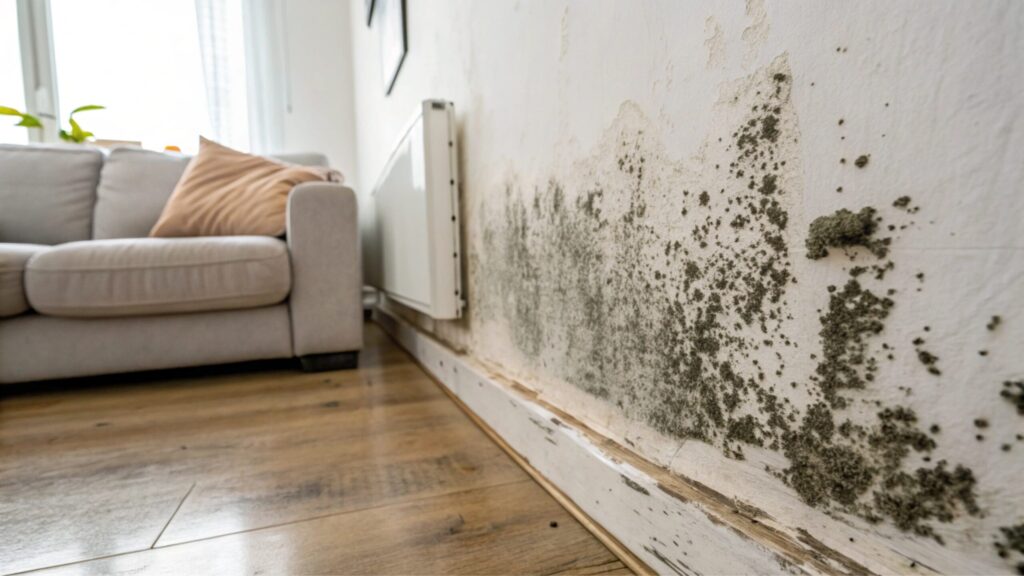
Vericon Systems outlines how smart property monitoring can help housing providers plan repairs, improve efficiency, and maintain safe living conditions
Yorkshire and The Humber recorded a 63% increase in non-decent council-owned housing in the last year, the biggest percentage rise across England.
New analysis of the English Housing Survey by Vericon Systems, a leading manufacturer of remote technologies to manage and control essential building services, reveals that the region has seen an additional 7,717 homes fall below the Decent Homes Standard (DHS).
The region’s total non-decent housing stock has more than doubled to 12,281 homes, with the estimated backlog to bring all non-decent homes up to standard now standing at £47.64 million, which works out to roughly £4,764 per property across authorities with comparable figures.
The DHS, which was first introduced in 2001, sets requirements and standards for landlords to meet to ensure homes are safe and secure, including ensuring they are free of Category 1 hazards such as damp and mould. The UK Government is currently reviewing the DHS with a focus on updating criteria for the private homes sector.
The introduction of Awaab’s Law in October is intended to strengthen tenant protections, obliging landlords and housing providers to address damp and mould in their properties to safeguard tenant’s health within two weeks.
Bernard Cook, Managing Director at Vericon Systems, says that a proactive and holistic approach to property management, that uses the latest connected technologies, enables housing providers to identify early warning signs of hazards and issues before they occur: “With increasing cost pressures across the board, council’s and housing providers throughout the country are understandably looking to increase efficiencies across their estates, but this should never come at the expense of tenants health and safety.
“Integrating remote monitoring and connected technologies can help enable greater efficiencies and cost savings. We use real-time data, advanced analytics and machine learning to develop technologies that provide housing providers with a deeper understanding of their resident’s living environment. Our MouldSense solution, for instance, provides a plug and play approach to monitoring, measuring and managing the challenge of damp and mould to ensure compliance with Awaab’s Law.”