It’s Plain Batty! £27bn Climate Project Will Pause To Protect Our Feathered Friends
Written by Harry Turnbull
A £27bn plan to tackle climate change across Cheshire and Merseyside is underway—but before we can save the planet, we must first negotiate with some local wildlife.
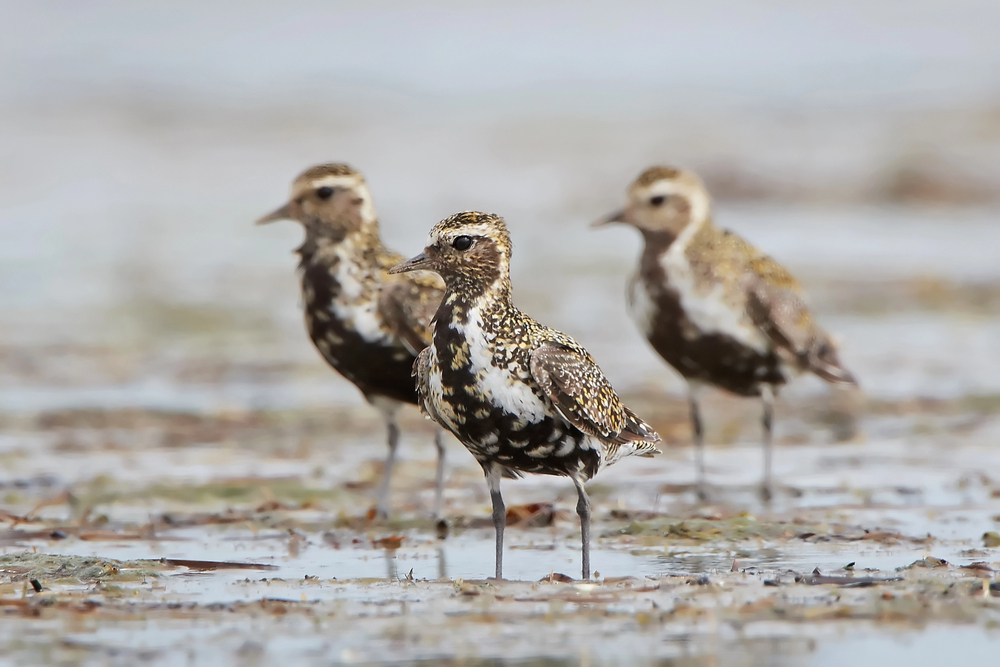
The HyNet pipeline will capture industrial emissions from the North-West region and stash them under Liverpool Bay, but not before developers navigate an environmental obstacle course featuring Great Crested Newts, bats and a VIP lineup of ducks with names fancier than a royal wedding guest list—Long-Tailed Duck, Common Goldeneye, Tufted Duck, Common Shelduck, and Common Pochard. Even the occasional Golden Plover has been spotted strolling the Cheshire marshes like it owns the place.
Don’t panic—this probably won’t be as dramatic as the £100m HS2 (high speed rail link) batcave. Nevertheless the plan is to pause some pipeline work in winter months to avoid disrupting birds habitats.
A spokeman for Eni group, leader of the massive Hynet scheme, said “We have sought to reduce the impact of our proposals through detailed field inspections including Great Crested Newt and bat detection surveys. Mitigation measures could include pond and grassland creation.”

The plan involves three pipeline spurs running from Runcorn to the Irish Sea, where carbon will be buried 1km under the seabed.
Green campaigners, however, aren’t popping champagne. They argue the project—funded by £22bn of taxpayer cash and £5bn private investment—just lets fossil fuel firms keep pumping hydrocarbons while merely hiding CO2 out of sight. Developers counter that it’ll stop 10 million tonnes of carbon yearly from choking the atmosphere.
Meanwhile, the pipeline will pass through Elton in Cheshire where Encirc—the UK’s biggest glass bottle maker—is teaming up with Diageo to create the world’s first net-zero vodka bottle production line. Powered by zero-carbon hydrogen and electricity, the plant will churn out 200 million Smirnoff, Captain Morgan, Gordon’s, and Tanqueray bottles annually by 2030.
And nearby at Stanlow oil refinery, EET is turning old Cheshire salt mines into a low-carbon hydrogen storage facility.
The final hurdle for the schemes? Halton and Cheshire West councils must approve the environmental assessments. So, if the paperwork passes, construction can begin in 2027—assuming the newts don’t file a last-minute objection.
Header image: Golden Plover
About the author
Harry Turnbull is an experienced journalist based in the north who has held a variety of reporting and editing roles in the media. Harry also writes a reviews column for the UK’s biggest archive of BBC radio dramas.